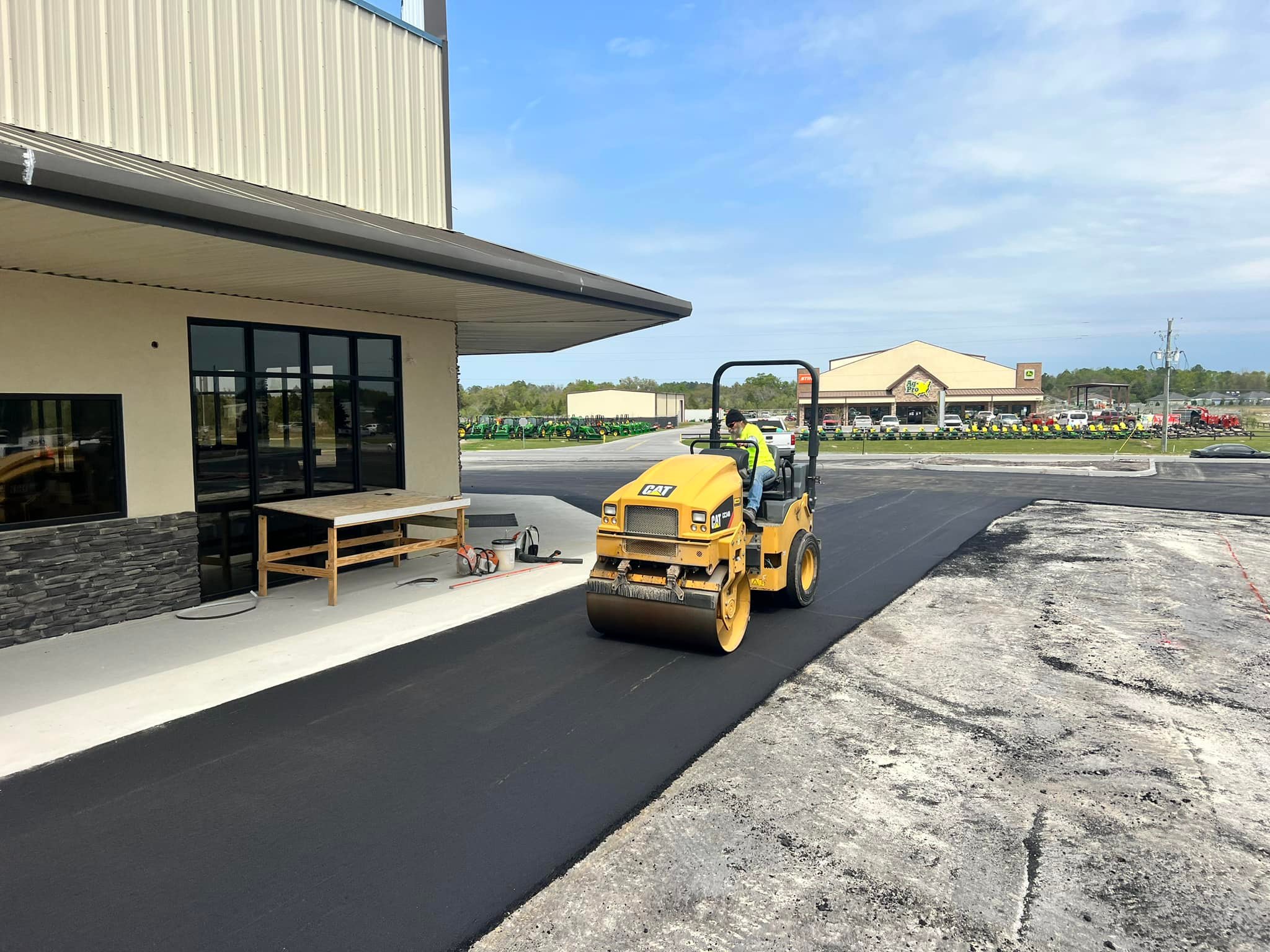
From Repair to Replacement: Deciding on the Best Approach for Aging Pavement Jun 13, 2026
To begin, it's important to assess the current condition of your pavement. Cracks, potholes, and faded coloration are all signs of wear and tear. However, not all damage requires complete replacement. Small, superficial flaws can often be addressed with simple repair techniques, making it a cost-effective solution for minor issues.
Repair procedures, such as crack sealing and patching, are ideal for pavement with limited damage. Crack sealing involves filling cracks with a durable resin to prevent water from seeping beneath the pavement surface, which can cause further deterioration. Patching, on the other hand, is used for larger potholes and involves filling the damaged area with new asphalt. These repair methods not only extend the life of your pavement but also improve its appearance without breaking the bank.
However, when should you consider replacing your asphalt? Replacement becomes necessary when the damage is beyond what regular repairs can effectively restore. If your pavement exhibits a pattern of widespread cracking known as alligator cracking, it might indicate that the underlying foundation is compromised. Additionally, if the pavement is significantly uneven with noticeable depressions, or if previous repairs are no longer holding up, replacement might be the most prudent decision.
It's also important to consider the age of your asphalt. Typically, well-installed and maintained asphalt can last 20 to 25 years. If your pavement is approaching or has exceeded this lifespan, even if it appears in relatively good condition, replacement can be a wise investment. This not only renews the structural integrity but also provides an opportunity to incorporate improvements like better drainage to further extend the new asphalt's longevity.
Cost is another factor that plays a crucial role in deciding between repair and replacement. While repair methods are generally more affordable upfront, frequent repairs can add up over time. In some cases, replacing the pavement can be more economical in the long run, reducing the need for continual maintenance.
The benefits of professional consultation cannot be overemphasized when making these decisions. An experienced team can conduct a thorough inspection of your pavement, providing insights into the extent of the damage and offering tailored solutions. Asphalt Management Group is committed to offering expert advice, ensuring that you choose the best approach based on your pavement's specific needs.
In conclusion, deciding between repair and replacement of aging pavement hinges on various factors including the extent of damage, age, and budget considerations. While minor issues can often be addressed with repairs, more extensive damage or older pavement might necessitate replacement. By consulting with professionals and evaluating your specific circumstances, you can make an informed decision that ensures the longevity and functionality of your surface. With Asphalt Management Group's expert guidance, you can breathe new life into aging pavement, ensuring it serves you well for years to come.
/filters:no_upscale()/filters:format(webp)/media/75539c2e-5b45-484a-ae7d-566c79d54a3f.jpeg)