The Comprehensive Guide to Asphalt Resurfacing: When and Why It's Needed Jun 06, 2026
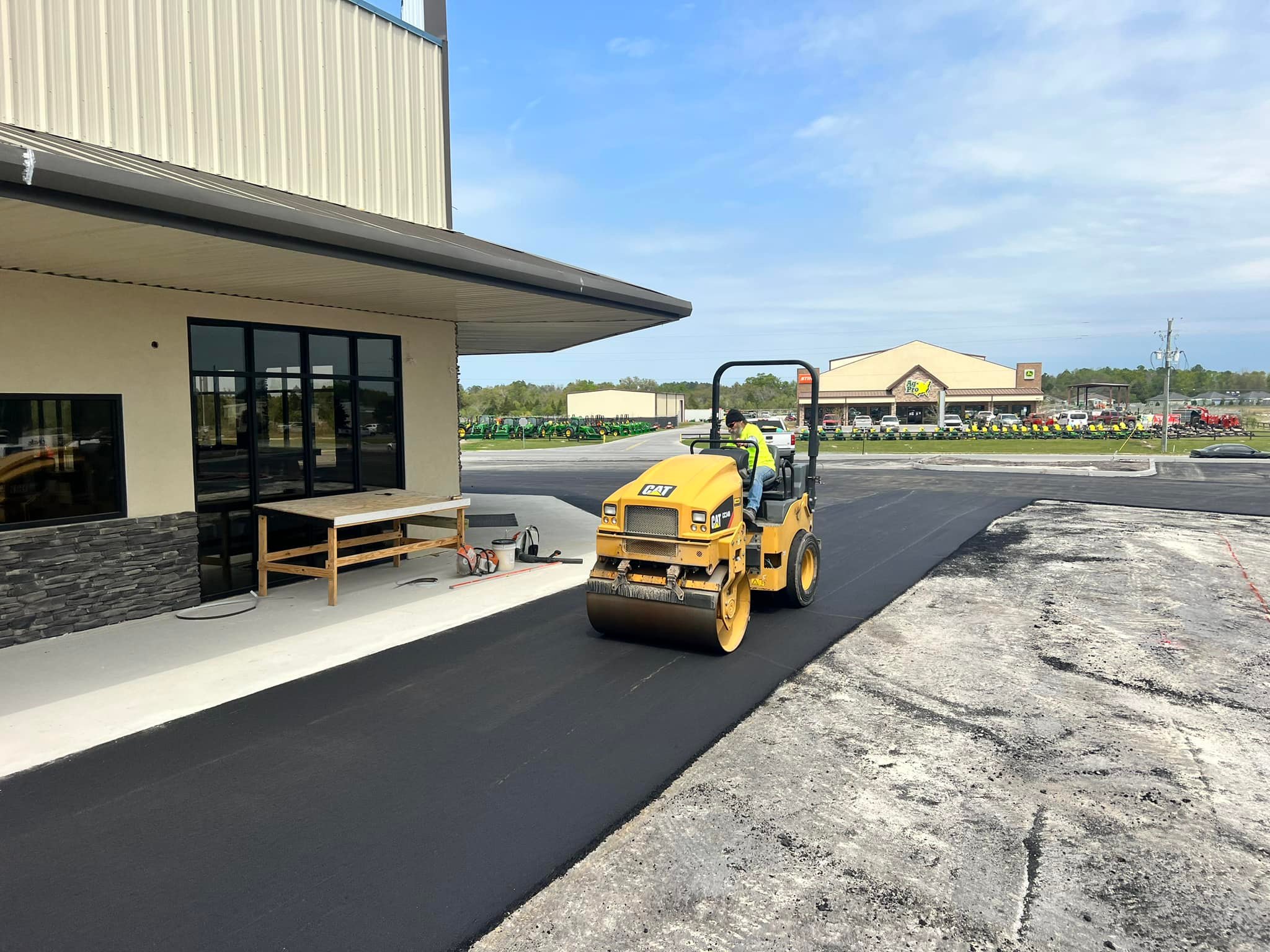
Asphalt resurfacing, also known as overlaying, involves applying a new layer of asphalt over an existing surface. This process is typically recommended when the surface shows signs of wear but is structurally sound. Minor issues such as cracks or small potholes can often be remedied by resurfacing, reinvigorating the surface with new life without the significant costs associated with complete asphalt replacement.
One of the primary indicators that asphalt resurfacing is needed is the degree of surface deterioration. Routine assessments are crucial. Signs such as alligator cracks, extensive potholes, or surface depression usually signal that it’s time to consider resurfacing. While these issues might be manageable individually, they eventually compromise the surface's integrity, leading to potential safety hazards. Asphalt resurfacing is particularly beneficial as it addresses these problems in a comprehensive, cost-effective manner, extending the lifespan of your pavement.
Moreover, resurfacing offers traffic flow and safety advantages. A freshly resurfaced road or parking lot improves tire traction and reduces the risks of accidents caused by poor road conditions. It also enhances water drainage, which prevents water from seeping into the foundation and exacerbating existing damage. This process ultimately protects your property from the ravages of weather and wear, preserving its appearance and functionality.
Timing is critical when it comes to resurfacing. Typically, asphalt surfaces need a fresh layer every 15 to 20 years, depending on the traffic volume and environmental conditions. However, routine maintenance and timely minor repairs can significantly extend this timeline. Regular inspections by professionals, such as those provided by Asphalt Management Group, can identify potential issues early, allowing for less extensive repairs and a more predictable pavement lifespan.
Environmental factors also play a crucial role in determining the need for resurfacing. Harsh winters lead to freeze-thaw cycles that can exacerbate cracks, while the intense heat of summer can hasten aging and deterioration of the asphalt. In climates with drastic temperature changes, maintaining the pavement with timely resurfacing can mitigate these effects, preventing more costly repairs down the road.
At Asphalt Management Group, we emphasize the importance of educated decision-making when it comes to pavement management. By understanding when and why resurfacing is necessary, property owners can schedule regular maintenance to keep surfaces in optimal condition. Asphalt resurfacing does more than enhance your property's curb appeal; it ensures safety and functionality while offering a return on investment through prolonged pavement life.
In conclusion, maintaining your asphalt surfaces through timely resurfacing is a smart strategy for property longevity. By addressing minor issues before they escalate and choosing the right time to overlay, you can save money and enhance safety and aesthetics. Remember, regular inspections and professional consultations are pivotal in determining the appropriate time and approach for resurfacing. Reach out to Asphalt Management Group for expert advice and services that will keep your surfaces in top condition for years to come.
/filters:no_upscale()/filters:format(webp)/media/75539c2e-5b45-484a-ae7d-566c79d54a3f.jpeg)