The Role of Asphalt in Sustainable Urban Development May 09, 2026
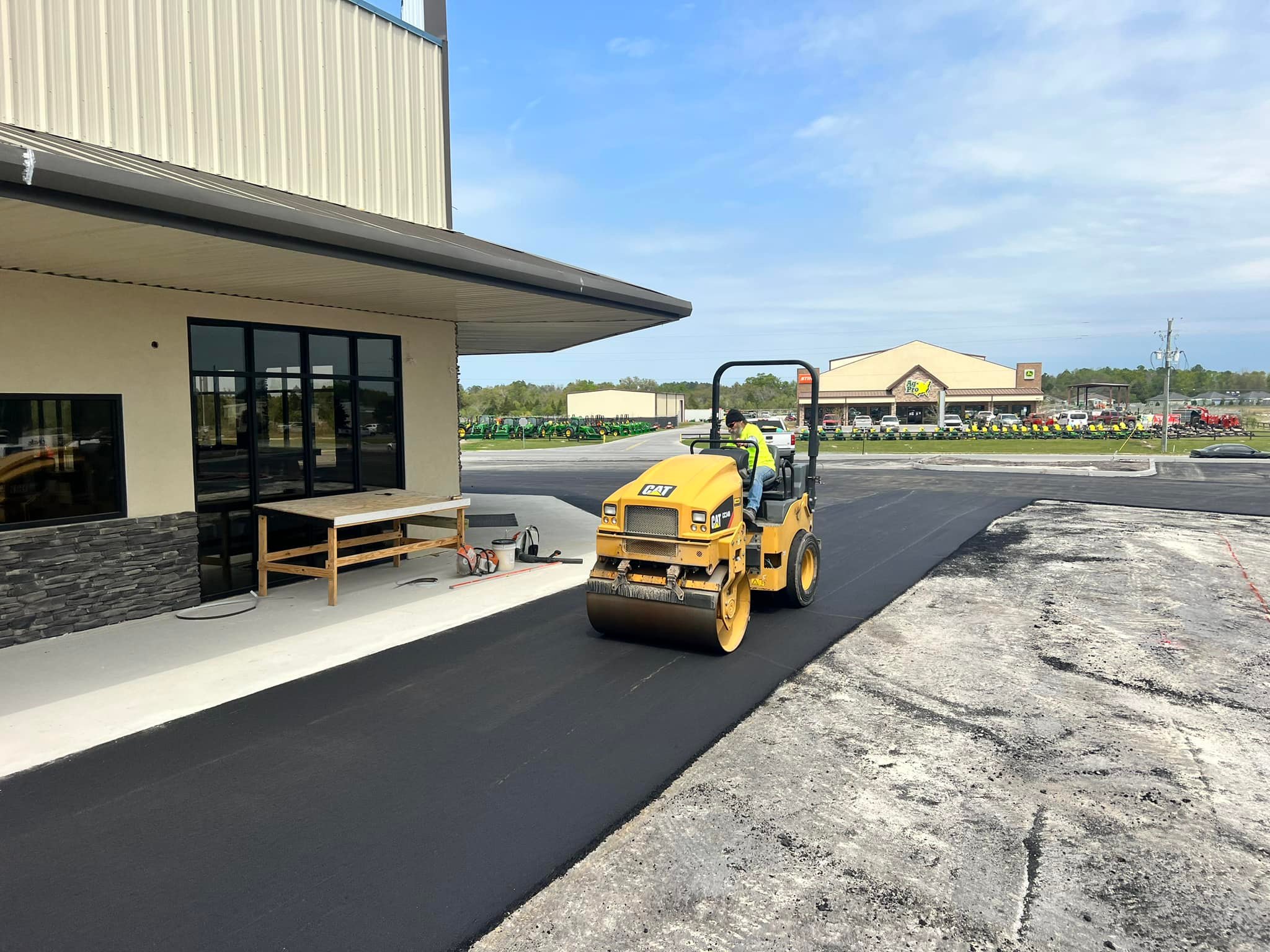
Traditionally, asphalt has been seen merely as a building material for roads and pavements. Yet, its utility extends far beyond merely binding cities together. In the pursuit of sustainability, engineers and urban planners are increasingly looking to asphalt to support efficient, eco-friendly urban landscapes. Whether it's creating durable pathways, offering innovative drainage solutions, or reducing urban heat island effects, asphalt can significantly contribute to green urban initiatives.
A key feature of asphalt that promotes sustainability is its recyclability. The use of recycled asphalt pavement (RAP) is a rising trend in the industry. At Asphalt Management Group, the integration of RAP not only conserves natural resources but also reduces the energy consumption usually associated with the production of new asphalt. This not only contributes to lowering the carbon footprint of construction projects but also decreases the amount of waste sent to landfills.
Moreover, permeable asphalt is another innovation that holds promise for enhancing urban sustainability. In designs where controlling stormwater is crucial, permeable asphalt offers a solution that promotes natural water filtering and recharge into the ground. This helps mitigate flooding risks and reduces the strain on sewer systems, crucial aspects in densely populated urban environments.
Furthermore, asphalt's role extends to improving air quality and reducing urban heat. Through the use of specialized reflective coatings, asphalt surfaces can deflect sunlight and reduce heat absorption, thereby limiting the urban heat island effect which is known to exacerbate energy consumption. This not only aids in regulating city temperatures but also helps lower energy demands related to air conditioning, thus promoting a more sustainable urban ecosystem.
Additionally, the financial benefits of using asphalt in sustainable urban development should not be overlooked. Its durability ensures longer-lasting roads and pavements, reducing the frequency and cost of repairs. Asphalt Management Group takes pride in providing cost-effective solutions that align with sustainable priorities, ensuring that municipal budgets are utilized efficiently while maintaining infrastructural quality.
Sustainable urban development is incomplete without considering the socio-economic perspective. Efficient and well-maintained transportation networks, which rely heavily on asphalt, are vital to urban prosperity. They facilitate connectivity, serve as backbones for economic activities, and enhance the quality of life for city dwellers. By prioritizing innovative asphalt solutions, cities can create infrastructure that supports growth while being environmentally conscious.
In conclusion, the role of asphalt in sustainable urban development is indispensable. From its environmental benefits to its economic advantages, asphalt represents an essential element in the construction of eco-friendly urban landscapes. As cities aim to be sustainable and resilient, leveraging the unique capabilities of asphalt will play an increasingly fundamental role. Asphalt Management Group continues to pioneer these sustainable methods, ensuring that urban development aligns with ecological goals. By doing so, we not only build roads but pave the way for future-ready cities that prioritize both people and the planet.
/filters:no_upscale()/filters:format(webp)/media/75539c2e-5b45-484a-ae7d-566c79d54a3f.jpeg)