Understanding the Environmental Impact of Asphalt and How to Mitigate It May 18, 2026
The environmental impact of asphalt begins with its production. Asphalt is predominantly derived from crude oil, and the extraction process contributes significantly to carbon emissions and energy consumption. Additionally, during asphalt manufacturing, volatile organic compounds are released into the air, further contributing to air pollution. But with awareness and action, there are strategies to counter these impacts.
One of the primary ways to mitigate the environmental effects of asphalt is through recycling. By reusing old asphalt, we reduce the need for new materials, thereby conserving natural resources and lowering the total carbon output. Recycled asphalt, also known as reclaimed asphalt pavement (RAP), is a sustainable option that performs comparably to new asphalt, making it an excellent choice for eco-conscious projects.
Sourcing environmentally friendly materials is another crucial step. Using bio-asphalt, made from renewable resources like plant-based oils and waste materials, can significantly reduce the reliance on petroleum-derived products. This innovation not only lowers the carbon footprint of asphalt but also enhances its biodegradability, which can be a game-changer for green construction practices.
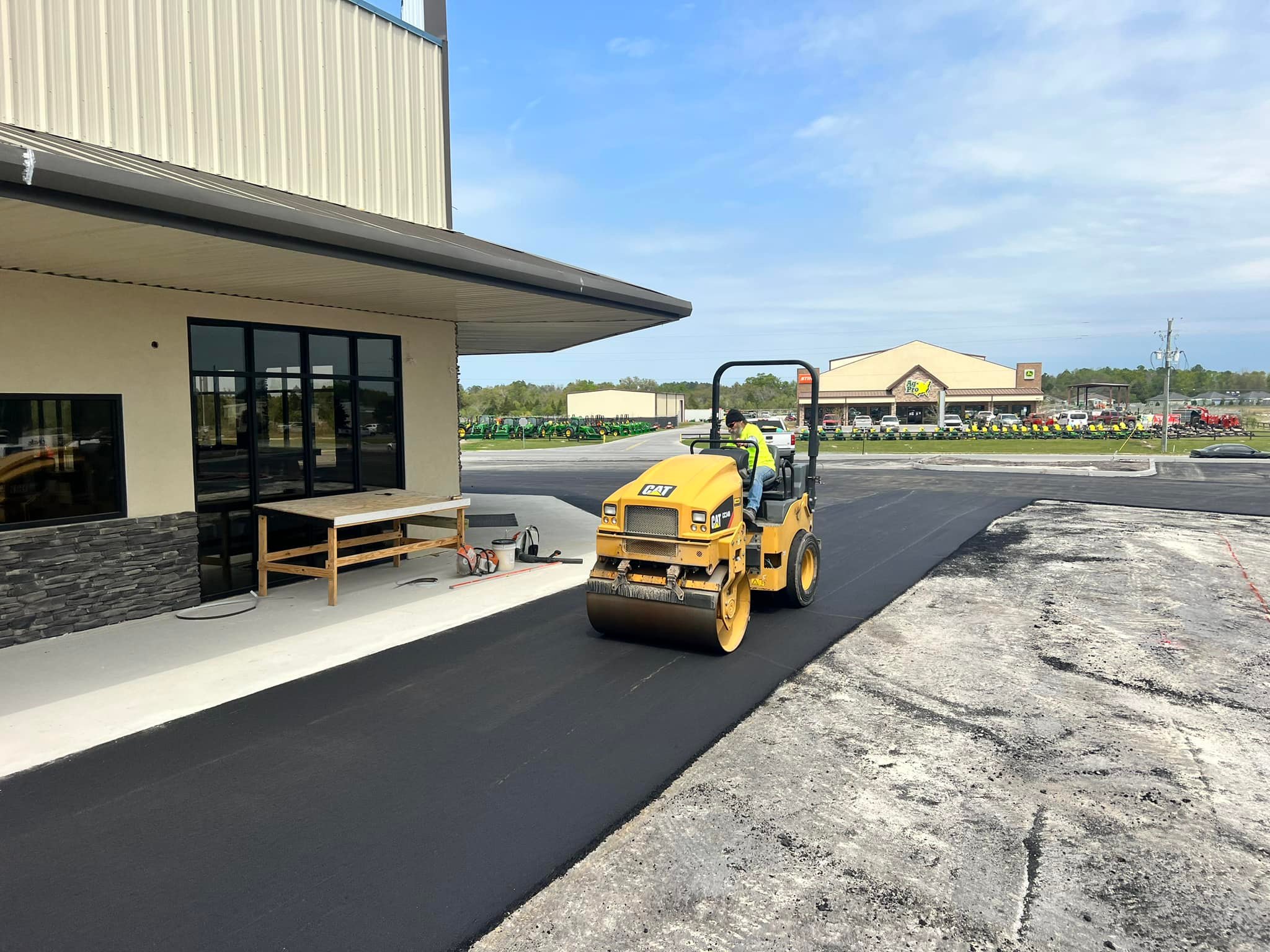
The application process of asphalt also has room for improvement. Warm Mix Asphalt (WMA) is a technique that allows asphalt to be mixed and applied at lower temperatures. This method reduces energy consumption and decreases greenhouse gas emissions during paving. Additionally, WMA improves working conditions by lowering the release of air pollutants and fumes, benefiting both the workforce and the surrounding environment.
Proper maintenance of asphalt structures can also contribute to environmental conservation. By sealing cracks and repairing damage promptly, the lifespan of an asphalt surface is extended, reducing the frequency of repaving and the associated environmental toll. At Asphalt Management Group, we encourage proactive maintenance as it not only saves on resources but also reduces the urban heat island effect by maintaining the integrity of cooler pavement technologies.
Implementing porous pavement systems presents another opportunity for eco-friendly innovation. These pavements allow water to pass through, reducing stormwater runoff and improving groundwater recharge. By integrating these systems into urban planning, we can mitigate flood risks and enhance water quality, showcasing the multifaceted benefits of sustainable asphalt technologies.
In conclusion, while asphalt is an indispensable component of modern infrastructure, it is vital to address its environmental impact through sustainable practices. From recycling to innovative materials and maintenance techniques, there are numerous strategies to make asphalt more eco-friendly. At Asphalt Management Group, we are committed to advancing these sustainable solutions, not only for the benefit of our clients but also for the planet as a whole. By prioritizing eco-conscious choices and embracing technological advancements, we can pave the way for a greener future.
/filters:no_upscale()/filters:format(webp)/media/75539c2e-5b45-484a-ae7d-566c79d54a3f.jpeg)